


It starts with BS EN ISO 21420:2020+A1:2024
EN ISO 21420 sets out the general requirements and test methods that apply to protective gloves.
The standard covers areas including:
- Glove design and construction
- Sizing and fit
- Dexterity
- Material innocuousness
- Comfort and efficiency
- Product marking
- Information supplied by the manufacturer
BS EN ISO 21420:2020+A1:2024 does not assess protection against a particular workplace hazard. A cut-resistant glove, for example, will normally be tested to EN 388 as well. A glove intended for protection against heat may also be tested to EN 407.
Instead, BS EN ISO 21420:2020+A1:2024 provides the general foundation: the glove should be designed so that the wearer can perform the intended activity as normally as possible while receiving the appropriate protection.
Sizing is an important part of that foundation.
What measurements are used for glove sizing?
Hand size is not determined by a single measurement.
BS EN ISO 21420:2020+A1:2024 uses two principal dimensions to define hand size:
- Hand circumference
- Hand length (measured from the wrist to the tip of the finger)
The standard also provides a method for measuring the length of the finished glove.
These measurements are related, but they do not tell us the same thing. Understanding the difference helps explain why two people described as the same glove size may still experience a noticeably different fit.

What is hand circumference?
Hand circumference is measured around the hand, from the crotch between the thumb and index finger. The thumb is not included in the circumference measurement
This measurement gives an indication of the width and overall volume of the hand. It is an important measurement in determining the appropriate glove size.
Why does hand circumference matter?
If a glove is too narrow, the liner and coating may be placed under constant tension across the palm and back of the hand. The wearer may experience pressure around the knuckles, restricted movement and fatigue during repeated gripping.
A tight glove can also be more difficult to put on and remove, particularly if the hand is damp or the glove has a close-fitting knitted cuff.
If the glove is too wide, it may move around the hand during use. This can reduce control, allow the palm material to bunch and make the wearer grip more firmly than necessary to compensate.
The correct circumference therefore helps the glove remain securely positioned without compressing the hand.
What is hand length?
This is the distance between the tip of the middle finger to the base of the hand at the wrist.
Hand length, together with circumference, is used to determine the hand size and corresponding glove size.
Why does hand length matter?
Finger length can also influence how naturally the glove moves with the hand. Where the glove’s finger dimensions align well with the wearer’s hand, this can support comfortable hand movement and dexterity. Where there is a mismatch, the glove may feel less comfortable during repeated hand movements
For example: If the glove fingers are too short, they may place additional pressure on the fingertips and can make the glove feel restrictive when the hand is flexed.
If the fingers are too long, excess material may remain at the fingertips. This can affect dexterity and tactile sensitivity, particularly when handling mall components, fasteners, tools or controls.
This is why hand circumference alone cannot guarantee appropriate sizing. Two people may have the same palm circumference but different hand lengths and finger proportions.
What happens if the two measurements suggest different sizes?
Human hands do not all follow the same proportions.
Some people have wider palms and shorter fingers, while others have narrower palms and longer fingers. A size chart should therefore be used as a guide when selecting glove size, alongside consideration of the intended application and the glove’s construction.
Where hand circumference and hand length indicate different sizes, the selected glove should accommodate both dimensions without creating excessive pressure or leaving additional loose material to interfere with the task.
The construction of the glove can also influence the final fit. Knitted liners can stretch and conform to the hand differently from leather, laminated or unsupported glove constructions. Coatings, impact protection, thermal linings and cut-resistant yarns can also affect how a glove fits and feels when worn. The most suitable option is the size that allows the wearer to grip, flex and handle the required equipment comfortably while keeping the glove securely positioned on the hand.
How is glove length measured?
Glove length refers to the measured length of the finished glove and is separate from the wearer’s hand length.
During measurement, the glove is suspended from the middle finger and carefully straightened to remove folds or wrinkles. A graduated rule with a rounded end is inserted into the middle finger, and the minimum overall glove length is recorded.
Glove length is different from hand length:
- Hand length measures the wearer’s hand.
- Glove length measures the finished product.
Why does glove length matter?
Overall length affects how much of the hand and wrist the glove covers.
A short glove may leave a gap between the glove and other protective clothing when the wearer reaches, bends or rotates the wrist. A longer cuff or gauntlet can provide additional coverage where the application involves heat, sparks, sharp edges, liquids or other hazards.
However, a longer glove is not automatically better. Extra material may restrict wrist movement or interfere with sleeves and other PPE if it has not been designed for the task.
Unlike the earlier BS EN 420 standard, BS EN ISO 21420:2020+A1:2024 does not specify a universal minimum glove length for every size. Where minimum length is relevant to a particular application, additional requirements may be specified in the applicable product-specific standard .
For example, gloves designed for welding or structural firefighting may need to meet additional dimensional requirements because wrist and forearm coverage form part of the protection.
The change recognises that suitable glove length depends on what the glove is designed to do.
Does the size number guarantee an identical fit?
No.
BS EN ISO 21420:2020+A1:2024 provides a common sizing framework, but it does not mean every glove marked with the same size will feel identical.
Fit can be affected by:- Liner construction and stretch
- Yarn thickness
- Coating type and coverage
- Seam placement
- Finger shape
- Cuff construction
- Additional insulation
- Impact or reinforcement features
- Manufacturing tolerances
A lightweight, seamless knitted glove may feel very different from a leather glove or a heavily insulated gauntlet carrying the same nominal size.
Letter sizes such as S, M, L and XL can vary between manufacturers. The numerical hand-size designation together with the manufacturer’s product-specific sizing information provide a more useful reference, but a wearer trial remains important.
What does glove sizing have to do with dexterity?
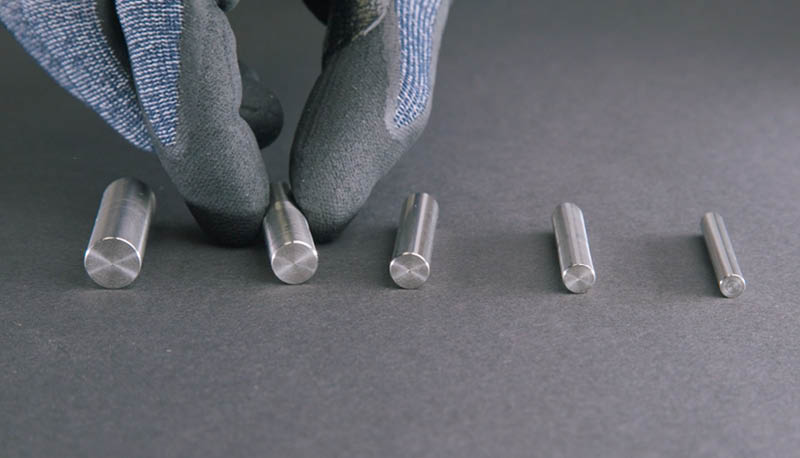
BS EN ISO 21420:2020+A1:2024 also includes a test method for assessing glove dexterity.
The wearer attempts to pick up a series of pins with different diameters while wearing the glove. The smallest pin that can be picked up determines the dexterity performance level, from levels 1 to 5.
Glove design, material thickness and flexibility all influence the result, but fit is part of the picture too.
A glove that is too large may leave excess material at the fingertips, which can affect precision and dexterity. A glove that is too tight may restrict finger movement. In both cases, an inappropriate fit can make a task more difficult even though the protective materials and their specified performance characteristics remain unchanged.
The highest dexterity level is not required for every job. Heavy fabrication and precision assembly create very different demands. The relevant question is whether the glove provides enough control for the intended task without compromising the protection required.
Why incorrect sizing can become a safety issue
Poor fit is not simply a comfort problem.
An incorrectly sized glove may:
- Reduce grip and handling control
- Limit tactile sensitivity
- Increase hand fatigue
- Restrict finger or wrist movement
- Catch on components or machinery
- Move out of position during use
- Create pressure points
- Make the glove harder to put on and remove
- Encourage workers to remove their protection
Wearers may also compensate for poor fit by gripping tools more tightly or repeatedly adjusting the glove. Over a full shift, this can affect both comfort and productivity.
Understanding the measurements used for glove sizing can help when selecting the appropriate size for an application.
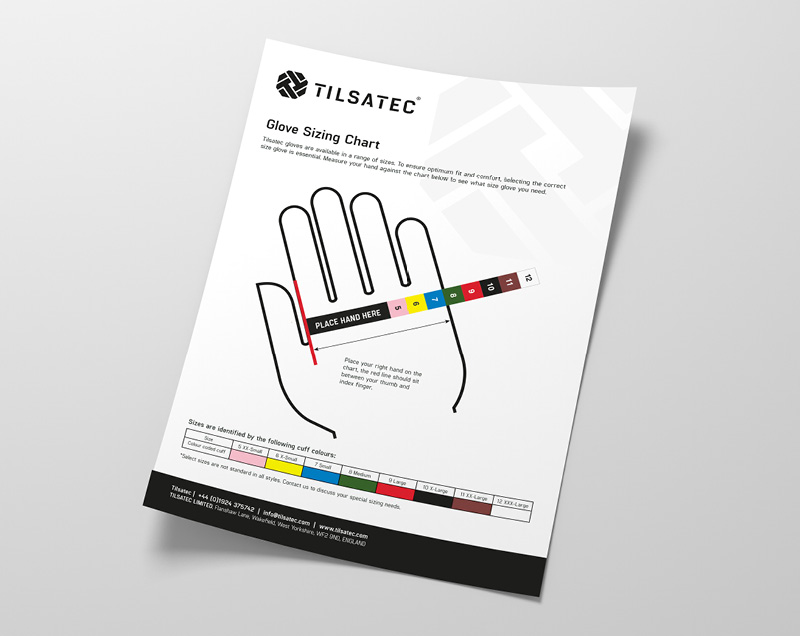
The hand sizing chart below provides a reference for comparing hand measurements with the corresponding glove size.
Choosing the right size for the application
Sizing should form part of the glove-selection process rather than being addressed after the glove specification has been agreed.
A practical assessment should consider:- The wearer’s hand circumference and hand length
- Finger fit and fingertip contact
- Palm fit when the hand is open and closed
- Freedom of movement at the knuckles
- Wrist and cuff coverage
- Compatibility with sleeves and other PPE
- Grip on the actual tools or components handled
- Dexterity during representative tasks
- Comfort over a realistic period of wear
Where possible, workers should trial more than one size. The glove should be assessed during the movements and handling activities required by the job, not simply by putting it on and looking at the label.
Correct sizing helps protect workers as intended
Glove sizing under BS EN ISO 21420:2020+A1:2024 is about more than matching a number to a hand.
Hand circumference helps determine the appropriate size and fit around the hand. Hand length provides and additional measurement when selecting glove size. Finished glove length indicates the coverage provided by the finished product. Together, these measurements support comfort, dexterity and control, all of which influence whether workers can use their hand protection effectively throughout the task.
Selecting the right protective performance is essential. Making sure that protection fits the person wearing it is just as important.
If you need support selecting the right glove and size range for your workforce, Tilsatec’s glove audit and wearer-trial services can help assess the hazards, applications and practical fit requirements across your site.